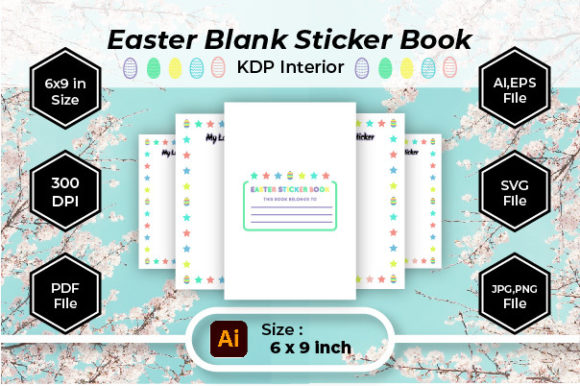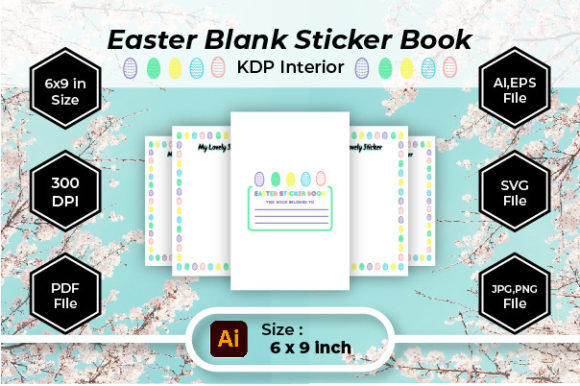
Blank Sticker Album Book KDP Interior
As a designer who’s stitched everything from boutique baby onesies to Etsy best-selling embroidered totes, I opened Blank Sticker Album Book KDP Interior expecting clean utility—and found something more: quiet versatility. It’s not flashy. It doesn’t scream “embroidery design.” But that’s exactly why it works so well for real-world projects—especially when you’re building cohesive, thoughtful handmade products.
A Design That Breathes With Your Project
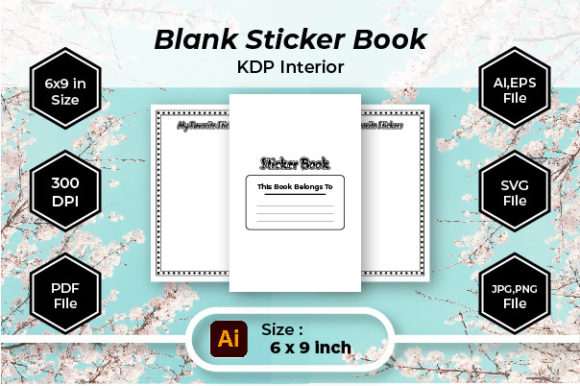
First impression? Calm, intentional, and quietly structured. The layout suggests a curated sticker album—not random graphics, but a unified interior system built for personalization. Think soft corners, balanced negative space, subtle grid alignment, and generous margins. There’s no aggressive ornamentation or dense flourishes. Instead, it offers breathing room—critical when translating digital files into stitchable embroidery assets.
I tested it as the foundation for a custom embroidered tote bag series: each bag features one hand-picked sticker motif (a tiny fox, a sprig of lavender, a vintage camera) placed inside the album’s outlined frame. The result felt like a keepsake—not mass-produced merchandise. Customers responded to the *intentionality*. They didn’t just buy a bag; they bought a vessel for memory-making. That emotional resonance starts with how the interior frames the subject—not competes with it.
Where This KDP Interior Truly Shines
Blank Sticker Album Book KDP Interior isn’t a standalone embroidery file—it’s a smart container for your embroidery files. And that changes everything in practice.
- Embroidered patches: Print the interior on fabric-backed fusible web, then stitch your motif directly inside the outlined border. The clean lines guide placement and elevate the finished patch’s polish.
- Sweatshirt and tote bag designs: Use the interior as a printable mockup layer beneath your satin-stitched logo or monogram. Clients instantly “see” how their custom embroidery will live within a designed context—not floating alone on blank fabric.
- Baby embroidery and nursery decor: The gentle scale and open layout make it ideal for stitching names or tiny motifs onto onesies, burp cloths, or pillow covers—without visual clutter.
- Holiday and wedding gifts: Pair it with simple applique designs (a pine branch, a monogrammed initial, a minimalist wreath) to create heirloom-style personalized gifts that feel handmade, not templated.
- Etsy listings and craft fair displays: Drop your embroidery file into the interior, export as a high-res JPG or PDF, and use it straight in product mockups. No extra Photoshop work—just clarity and consistency.
Use With Care: Real Embroidery Constraints
This isn’t a one-size-fits-all embroidery file—but that’s its strength. It demands thoughtful pairing. Here’s where attention matters:
- Small hoop sizes: The interior’s full-page layout won’t fit in a 4×4 hoop. Use only cropped sections—like a single framed panel—for tight spaces. Always test scale on scrap fabric first.
- Textured or stretchy fabrics: The clean lines rely on stability. On terry cloth towels or jersey knit, stabilize generously—and consider simplifying corner details if fill stitch density causes puckering.
- Dark fabric backgrounds: The interior’s subtle gray or light line art may vanish. Boost contrast in your editing software before printing or embroidering outlines—or switch to white thread for topstitching the frame.
- Curved surfaces (caps, mugs, curved pillow seams): Avoid placing full-page interiors here. Instead, extract individual sticker frames and resize them to suit the curve.
- Tiny lettering or fine details: The interior includes delicate borders and thin dividers. If you plan to stitch those directly, confirm they translate at your machine’s minimum stitch width—and always run a test on similar fabric + stabilizer combo.
Why It Builds Trust—Not Just Aesthetics
In my small shop, customers don’t just buy embroidery—they buy confidence. Confidence that their custom order will look intentional, professional, and worth the price. Blank Sticker Album Book KDP Interior supports that trust in three tangible ways:
- Visual clarity: When clients see their embroidered name or motif inside a thoughtfully composed frame, they understand value—not just decoration.
- Brand consistency: Using the same interior across tote bags, tea towels, and baby blankets creates a recognizable handmade language—no need for matching fonts or colors.
- Giftability: A stitched item inside this interior reads as “designed,” not “added.” That subtle shift makes it feel more gift-ready—especially for weddings, baby showers, or teacher appreciation.
Designer Notes You’ll Actually Use
Before stitching or selling:
- Test the interior’s line weight on scrap fabric using your preferred stabilizer—especially if stitching outlines directly.
- Check thread color contrast on both light and dark fabric swatches. What reads clearly on white may disappear on navy.
- Review stitch density if converting any part of the interior to embroidery—avoid overfilling small corners or borders.
- Confirm licensing: Since this is a Kdp Interiors graphic, verify commercial use rights for your specific application—especially if bundling with your own embroidery files for sale.
- Compare black-and-white mockups. If the interior relies on subtle gradients or low-contrast elements, simplify for embroidery clarity.
- Ask yourself: Does this support the story of the finished product—or distract from it? With Blank Sticker Album Book KDP Interior, less really is more.
Bottom line? This isn’t a “wow” design—it’s a “yes, this works” design. It’s the quiet backbone behind memorable embroidered patches, the consistent touchpoint across a boutique’s seasonal collection, the thoughtful detail that turns a custom sweatshirt into a keepsake. For embroidery designers, Etsy sellers, and craft business owners who value intention over impulse, Blank Sticker Album Book KDP Interior earns its place—not as a hero, but as a trusted collaborator.