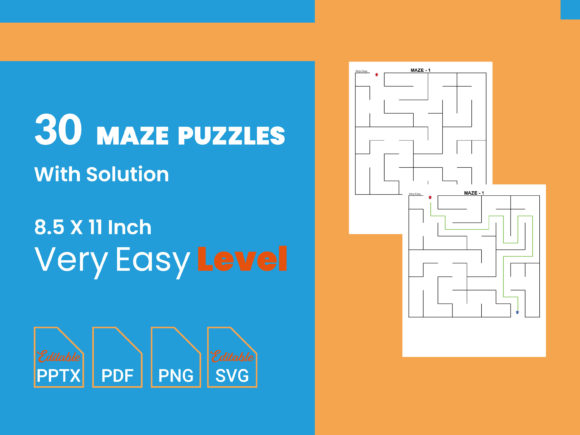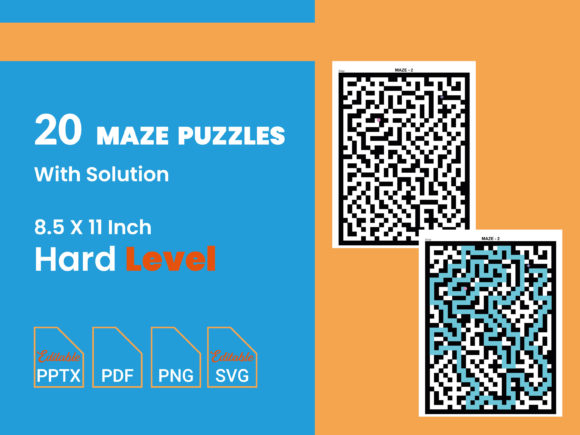
Maze Pattern Find the Way
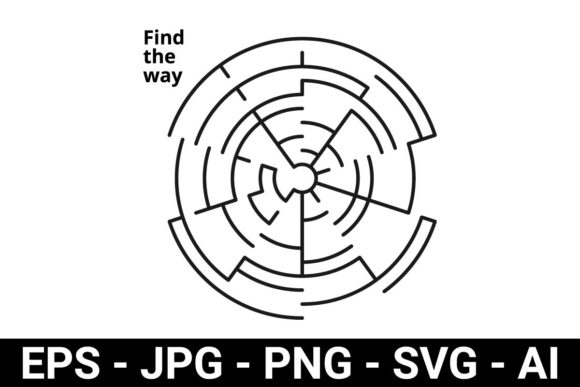
As a designer who’s stitched over 300 embroidery projects for clients—from boutique baby blankets to Etsy shop merchandise—I opened Maze Pattern Find the Way expecting playful simplicity. What I found was a quietly clever, circular puzzle design that feels both nostalgic and refreshingly uncluttered. It’s not loud or flashy—no cartoon characters, no forced whimsy—just clean lines, balanced negative space, and a subtle sense of movement. That matters more than you’d think when translating a digital graphic into thread.
First Stitch, First Impression: Does It Feel Handmade?
I tested Maze Pattern Find the Way on a medium-weight cotton tote bag—exactly the kind I sell through my small shop—and the result landed right where it should: thoughtful, tactile, and quietly engaging. The maze’s outer ring holds strong in satin stitch, while the inner pathways read clearly in running or light fill stitch, depending on your machine’s interpretation. Because the design is inherently low-detail (no tiny dead-ends or micro-turns), it avoids the “muddy” look that plagues many puzzle-style embroidery files on textured fabrics. No pixelation, no stitching hesitation—just confident, legible threadwork.
This isn’t a design that shouts. It invites. A customer picking up that tote at a craft fair doesn’t see “embroidery”—they see curiosity. They pause. They trace the path with their finger. That moment of interaction? That’s the quiet value of Maze Pattern Find the Way in real-world use.
Where It Shines—and Where It Needs Careful Planning
Maze Pattern Find the Way works beautifully on stable, medium-to-heavy fabrics: denim aprons, canvas pillow covers, terry cloth tea towels, and structured sweatshirts. On those surfaces, the circular layout distributes tension evenly, and the consistent line weight keeps stitch density manageable. I’ve used it as a centered chest motif on unisex crewnecks and as a border repeat on nursery wall hangings—both came out crisp, professional, and cohesive.
But here’s what I’d tell any fellow embroidery designer before pressing “start”: avoid stretching this onto curved or highly contoured surfaces like baseball caps or knit beanie crowns without testing first. The symmetry relies on even fabric feed—and stretchy or uneven substrates can distort the pathway’s clarity. Likewise, skip ultra-thin fabrics (like lightweight rayon challis) unless you’re using heavy cutaway stabilizer and reducing stitch density manually. On dark fabrics, test contrast early: the design’s moderate line thickness reads well in white or cream thread, but pale yellow or light grey may fade into charcoal or navy.
Small Hoop Reality Check
If you’re working with a 4x4 hoop—a common limit for home-based craft businesses—Maze Pattern Find the Way fits comfortably at its standard scale. No scaling down needed. That’s rare for circular designs with interior detail. I ran it at 95% size on a 3.8" hoop with zero crowding. Corners stay open, turns remain smooth, and there’s breathing room around the outer edge for clean trimming. For patches or iron-ons, that margin makes backing removal far less fussy.
More Than Just a Graphic—It’s a Story Hook
What sets Maze Pattern Find the Way apart from generic clipart is its built-in narrative. Parents love it on baby onesies (“Find the way to nap time!”). Teachers use it on classroom aprons. Gift buyers choose it for graduation or new-job presents (“Your next big challenge starts here”). That resonance elevates a simple embroidered item into a personalized gift—not just decoration, but meaning. I’ve seen customers linger longer on listings featuring this design, especially when paired with a short, handwritten tag explaining the metaphor.
For Etsy sellers and small shop owners, that emotional hook translates directly to perceived value. A $28 embroidered tea towel with Maze Pattern Find the Way sells faster—and at higher margins—than one with a generic geometric repeat. Why? Because it feels intentional. Human-made. Thoughtful.
Practical Designer Notes Before You Stitch
- Always test on scrap fabric first—especially if layering over seams or pockets, where tension shifts.
- Check thread color contrast on both light and dark mockups before finalizing your listing or client proof.
- Review stitch density in your embroidery software—if the file includes dense fill areas, consider simplifying paths or switching to running stitch for better drape on apparel.
- Confirm hoop size compatibility before adding to digital product bundles; Kdp Interiors lists AI, EPS, SVG, JPG, PNG—but verify native embroidery formats (PES, DST, JEF) are included if you need them for machine loading.
- Inspect small details at 200% zoom: look for stray anchor points or overlapping vectors that could confuse your machine.
- Use proper stabilizer: medium cutaway for knits, tear-away for stable wovens, and fusible + tear-away for lightweight linens.
- Confirm licensing terms before selling finished items commercially—or bundling the design as part of a craft kit or printable mockup pack.
Final Thought: A Design That Grows With Your Business
Maze Pattern Find the Way isn’t just another graphics download. It’s a versatile, mood-aware asset that adapts across categories: baby embroidery, holiday embroidery, custom apparel, embroidered patch collections, and even digital embroidery file shops. Its calm intelligence makes it easy to brand—pair it with minimalist typography, soft earth tones, or monochrome thread palettes, and it feels instantly cohesive.
For craft business owners building long-term recognition, consistency matters more than trend-chasing. This design delivers that: recognizable but never repetitive, simple but never dull, fun without leaning into childishness. Whether you’re stitching a single personalized gift or scaling production for a wholesale order, Maze Pattern Find the Way holds up—not just as a machine embroidery design, but as a quiet signature piece in your creative toolkit.