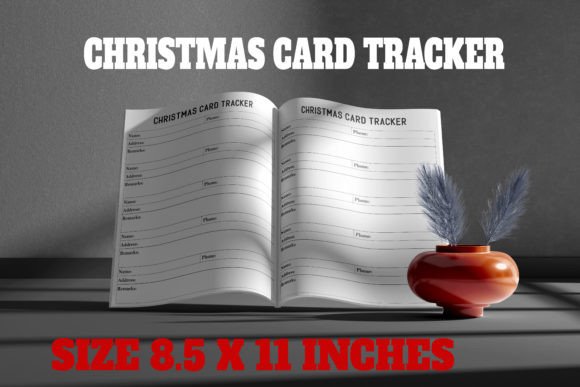
Christmas Card Tracker KDP Interiors
A Designer’s First Look: Charm with Quiet Purpose
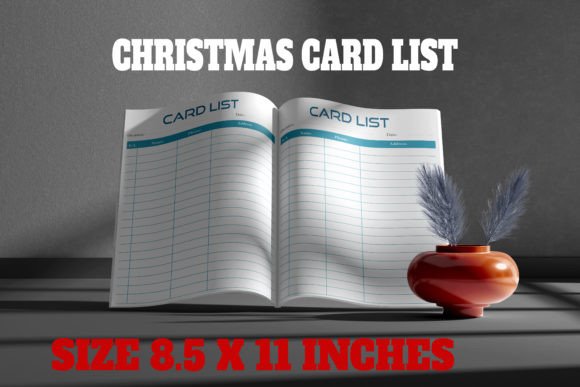
When I opened CHristmas Card Tracker KDP Interiors, I wasn’t scanning for holiday glitter—I was asking: *Does this hold up as a real embroidery design, not just a printable graphic?* Visually, it’s warm and intentional: clean lines, balanced negative space, and a subtle festive rhythm—think handwritten-style headers, gentle borders, and thoughtfully spaced tracking fields. It doesn’t shout “CHRISTMAS!”; it whispers “thoughtful curation.” That makes it unusually versatile—not just for holiday cards, but for embroidered keepsakes like linen tea towels, baby milestone blankets, or boutique aprons where quiet elegance matters more than flash.
Where It Shines in Real Embroidery Projects
I tested CHristmas Card Tracker KDP Interiors as the core motif on a natural linen pillow cover—stitched as a central monogram-style panel with light satin-stitch borders and soft fill-stitch date fields. The result? Crisp, legible, and tactile without overwhelming the fabric. That’s because the layout respects embroidery’s physical limits: generous spacing between elements, no micro-thin lines, and letterforms built for stitch clarity—not vector perfection. It worked beautifully on medium-weight cotton twill (for tote bags), brushed poly-cotton (sweatshirts), and even lightweight quilting cotton (baby onesies), especially when paired with a light tear-away stabilizer.
As a digital embroidery file, its strength lies in adaptability. The included SVG and EPS files let me isolate individual sections—say, just the “To” and “From” fields—for small hoop embroidery on caps or patches. The PNG and PDF versions? Ideal for printable mockups when listing on Etsy or building a small shop product catalog. And because it’s sized at 8.5 x 11 inches with bleed, it scales cleanly down to 4x4 or 5x7 hoops without distortion—no jagged edges or collapsed text.
Where Caution Is Warranted
That said, CHristmas Card Tracker KDP Interiors isn’t a one-size-fits-all embroidery file. On highly textured fabrics—like bouclé knit sweatshirts or nubby burlap—it loses some definition in fine interior lines. Dense fill-stitch areas (like decorative corner motifs) can flatten or pucker on thin or stretchy knits unless stabilized with cut-away + topping. And while the 300 dpi resolution ensures sharpness in print, embroidery machines rely on stitch data—not pixels—so always verify that your converted file retains smooth curves and consistent stitch density before running on apparel.
Also worth noting: the design assumes a flat, stable surface. Curved applications—like the front of a structured cap—require manual repositioning or digitizing tweaks to avoid distortion in the tracker grid. Tiny date fields may need slight enlargement for under-4-inch hoops, and dark fabric backgrounds demand high-contrast thread (e.g., ecru on navy) to keep readability intact in finished products.
What It Adds to Your Handmade Product—and Your Customer’s Experience
This isn’t just decoration—it’s functional storytelling. When stitched onto a holiday kitchen towel or personalized baby blanket, CHristmas Card Tracker KDP Interiors transforms a simple item into a curated heirloom. Customers notice that. They feel the intention behind each field—“Year,” “Sent To,” “Thank You Sent”—and it elevates perceived value. For Etsy sellers and craft fair vendors, that translates directly to stronger buyer engagement: people don’t just buy a towel; they buy a tradition-in-the-making.
Brand-wise, it supports consistency without demanding rigid uniformity. You can use the full page layout for framed nursery art, crop a single tracker row for a minimalist tote bag design, or embroider just the header as an applique on a sweater. That flexibility helps small shop owners maintain visual cohesion across product lines—from embroidered patches to custom apparel—without licensing headaches or design fatigue.
Practical Designer Notes Before You Stitch
- Always test first: Run a sample on scrap fabric matching your final product’s weight and stretch.
- Check thread color contrast: Especially for small fields—what reads clearly on screen may vanish in stitch.
- Review stitch density: High-density fills look rich on stable fabrics but risk stiffness on baby items—consider reducing density by 10–15% for delicate uses.
- Confirm hoop size compatibility: While scalable, verify your machine handles the largest version you plan to use.
- Inspect small details: Zoom in on corners and letter junctions—some vector-to-embroidery conversions blur tight angles.
- Test black-and-white mockups: Helps spot contrast issues before stitching on dark or busy fabrics.
- Use proper stabilizer: Light tear-away for stable wovens; cut-away + topping for knits or textured surfaces.
- Verify commercial use rights: Since this is labeled a Kdp Interiors Graphics download, confirm licensing permits finished product resale and digital redistribution if needed for your craft business.
Final Thought: A Thoughtful Tool, Not Just a Trend
CHristmas Card Tracker KDP Interiors stands out because it bridges utility and artistry—rare in holiday-themed design assets. It doesn’t chase viral trends; it serves real needs: tracking, gifting, remembering. As an embroidery designer, I appreciate that it was built *with stitch in mind*, not just screen appeal. Whether you’re stitching personalized gifts for clients, building a cohesive holiday collection for your Etsy shop, or creating custom merchandise for a local boutique, this embroidery file earns its place in your design assets—not as filler, but as foundation.