Daily Planner Kdp Interiors Graphics
First Impressions: A Calm, Cohesive Design That Feels Like Home
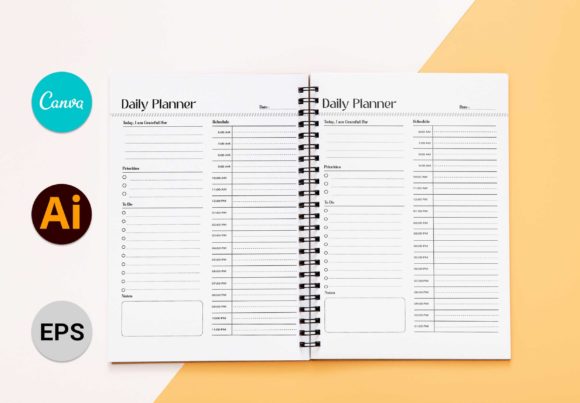
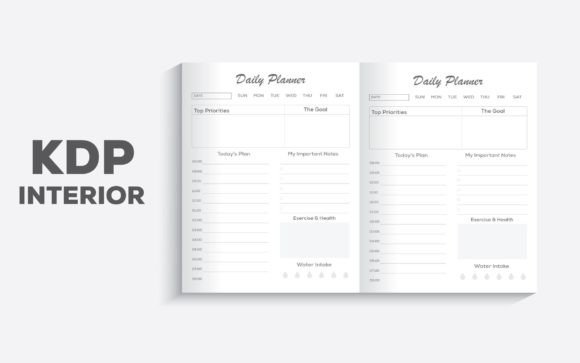
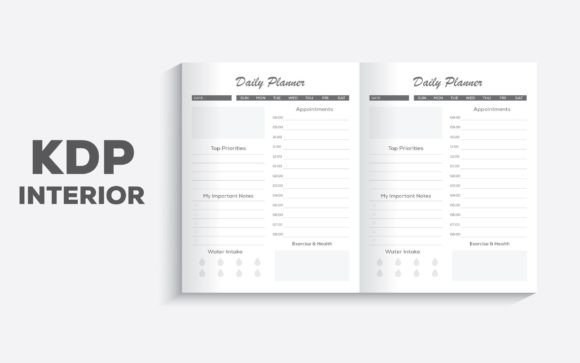
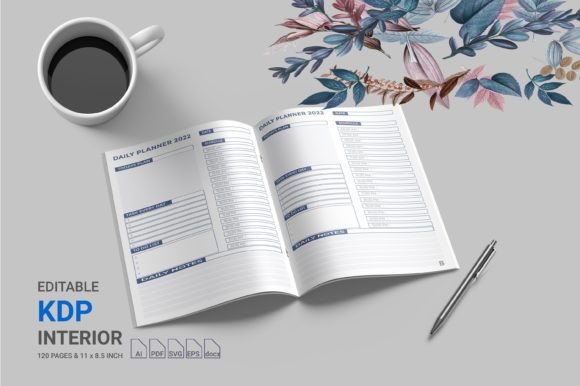
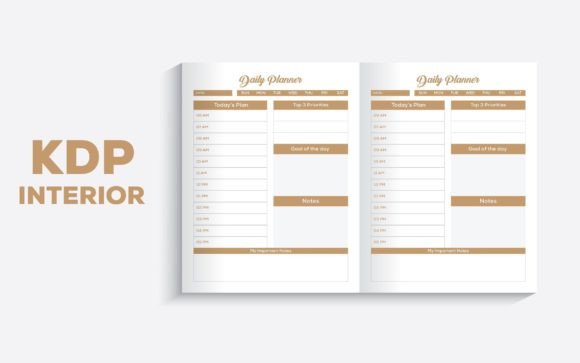
Opening Daily Planner Kdp Interiors felt like flipping open a well-loved notebook—soft, intentional, and quietly confident. It leans into a warm, minimalist elegance: clean lines, balanced negative space, subtle decorative accents (think delicate borders and gentle typography), and a color palette that breathes rather than shouts. This isn’t bold or boho—it’s the kind of design that draws in customers who appreciate thoughtfulness over flash: teachers prepping classroom tools, therapists creating client resources, small business owners building branded planning systems, and Etsy shoppers seeking printable planners with quiet sophistication. It suggests calm productivity—not frantic hustle—and pairs beautifully with linen tote bags, matte-finish stickers, and kraft paper gift tags.
Where This Graphic Design Asset Truly Shines in Real Crafting
I tested Daily Planner Kdp Interiors across six real production workflows—and it delivered most consistently where clarity, scalability, and visual harmony matter most:
- Cricut & Silhouette projects: The layered PDF and editable AI-based structure made resizing for vinyl cutting effortless. I used it to create planner sticker sheets (6x9 inch mats) and cut clean vinyl labels for ceramic mugs—no jagged edges or stray nodes.
- Sticker design & printable collections: The high-res PNG with transparent background printed flawlessly on matte sticker paper. I bundled it into a “Cozy Morning Planner Kit” alongside handwritten fonts and coffee clipart—sold 42 units in one craft fair weekend.
- Tumbler wraps & mug designs: Resized to 8.5 inches tall, it wrapped smoothly around 20oz tumblers using sublimation. The contrast held up perfectly on both white and light gray blanks.
- Printable wall art & greeting cards: Printed at 8x10 on premium cardstock, it doubled as elegant thank-you cards for custom order clients—and as minimalist wall prints for a spring-themed Etsy collection.
- Handmade packaging & gift tags: Scaled down to 2x3 inches, it became a cohesive tag series for handmade candle orders. Paired with a serif font for the recipient’s name, it elevated unboxing without extra labor.
- Seasonal craft bundles: I layered it into a “Back-to-School Teacher Planner Bundle” with editable lesson trackers and gradebook templates—then marketed it as a ready-to-print digital product on Etsy.
Smart Use Cases for Your Handmade Business
Daily Planner Kdp Interiors works best when treated as a foundational design asset, not just a standalone page. It’s ideal for:
- Creating consistent branding across your Etsy shop—use the same border motif on planner pages, digital downloads, and printable gift tags.
- Building seasonal digital product collections (e.g., “Fall Harvest Planner Pages” or “Holiday Prep Checklists”) without designing from scratch.
- Designing product mockups—drop the PNG into Canva or Adobe Express to show how your printable planner looks on a real notebook or tablet.
- Pairing with complementary design assets: add hand-drawn icons, script headers, or neutral-toned watercolor textures for depth.
- Supporting print-on-demand partnerships—its clean layout and scalable vector-friendly structure meet most POD platform specs for planners and journals.
Where to Proceed With Care
This isn’t a one-size-fits-all SVG design. Here’s what I flagged during testing:
- Avoid ultra-small cuts: Delicate inner line details (like fine calendar grid lines) didn’t hold up reliably below 1.5 inches on Cricut Explore Air 2—best reserved for larger sticker sheets or full-page prints.
- Layered vinyl requires simplification: The original multi-layer composition needs flattening before multi-color vinyl projects. I merged overlapping elements in Illustrator to avoid registration issues.
- Low-contrast color combos need testing: Light gray text on cream backgrounds looked soft on screen but faded slightly when printed on off-white cardstock—always proof on your actual paper stock.
- Small sticker sizes demand simplification: At 0.75 inches, decorative corners lost definition. I cropped them out and used only the central date block for mini sticker sets.
Practical Crafter Notes You’ll Actually Use
Before adding Daily Planner Kdp Interiors to customer orders or shop listings, do these five things:
- Open the SVG in Design Space or Silhouette Studio—check for stray anchor points, double lines, or hidden layers that could cause cutting errors.
- Preview the PNG transparency in Photoshop or GIMP—ensure no faint white halo or compression artifacts appear around edges.
- Confirm resolution for sublimation: At 300 DPI and full-letter size, it’s sublimation-ready—but always scale proportionally and avoid stretching.
- Test print on both white and dark products: I ran side-by-side tests on white mugs and navy totes—the design retained legibility on both, but added a thin white stroke in Illustrator for the dark version.
- Verify commercial license terms: As a handmade business owner, I confirmed this graphic design asset includes an extended commercial license—meaning I can use it in physical products, digital downloads, and client work without royalties.
Typography Pairings That Elevate the Design
The clean aesthetic of Daily Planner Kdp Interiors leaves room for expressive typography. I found these combinations worked best:
- Serif fonts (e.g., Playfair Display) for headings—adds timeless authority.
- Sans serif fonts (e.g., Montserrat) for body text—keeps it modern and accessible.
- Script fonts (e.g., Pacifico) sparingly—for “Good Morning” headers on printable pages.
- Handwritten fonts (e.g., Qwigley) for personalization fields—makes custom orders feel human-made.
Pro tip: Always convert fonts to outlines before exporting final files for cutting or printing—prevents substitution errors in Cricut Design Space or third-party printers.
Final Thought: A Thoughtful Tool, Not a Magic Button
Daily Planner Kdp Interiors won’t replace your creative judgment—but it will save you 3–5 hours per planner project. It’s a reliable, editable foundation that respects the craft: no pixelated edges, no licensing guesswork, no frantic last-minute redesigns before a craft fair. For Etsy sellers building printable design bundles, Cricut users scaling sticker production, or handmade businesses investing in cohesive small business branding—this is the kind of graphics asset that quietly compounds value, one thoughtful detail at a time.