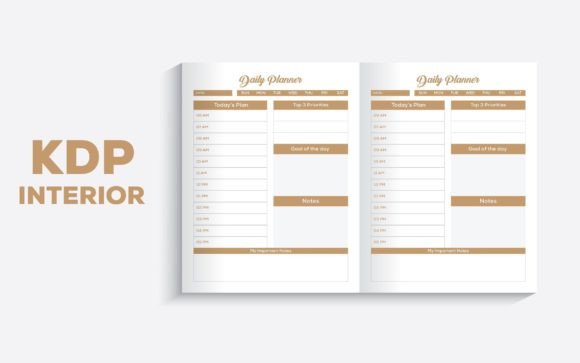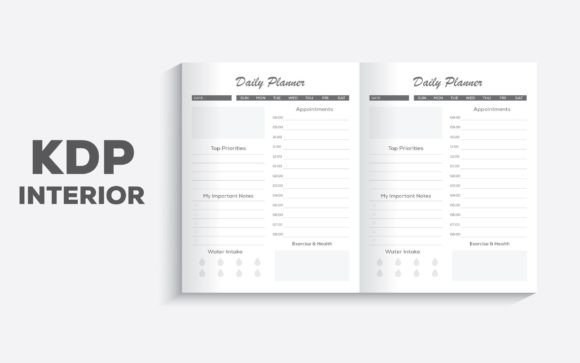
Daily Planner Template Kdp Interiors Graphics
As a digital product creator who’s launched over 200 planner-related listings across Etsy, Creative Market, and Shopify — including printable bundles, Canva templates, and sublimation-ready kits — I tested Daily Planner Template Kdp Interiors as part of a new spring-themed interior design collection. My goal? To assess whether it functions as a flexible, commercially viable graphic design asset — not just a pretty PDF, but a working piece of infrastructure for scalable digital selling.
First Impression: Clean, Interior-Focused, and Editable by Design
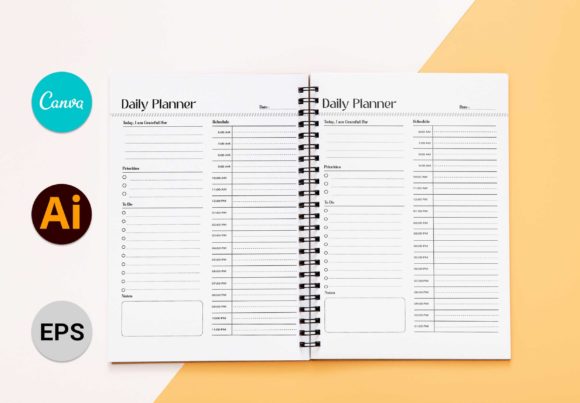
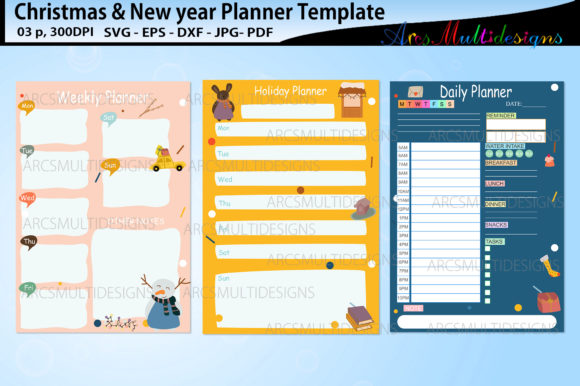
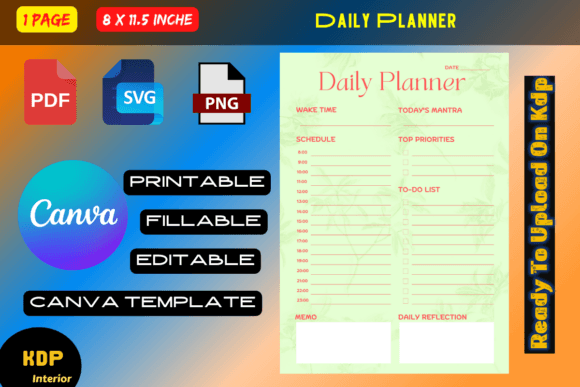
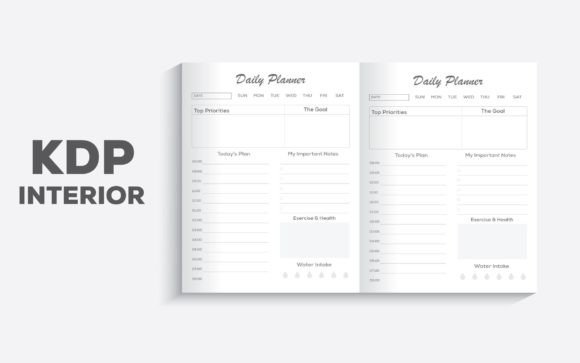
The moment I opened the file, I noticed its quiet confidence: soft neutral tones, subtle texture overlays, and generous white space around the daily layout grid. It leans modern-minimal with a warm, lived-in interior design sensibility — think cozy coffee nooks, linen-covered notebooks, and Scandinavian-inspired wall art. It doesn’t shout “cute” or “festive.” Instead, it speaks to buyers who curate intentional spaces: interior bloggers, home office designers, small business owners building branded planning systems, and print-on-demand sellers targeting decor-conscious customers.
What stood out was the promise in the description: *This is a fully editable printable daily planner — built for AI-powered graphic tools.* That means layers are organized, text is live (not outlined), and key elements like date fields, habit trackers, and note sections are grouped logically. No hidden rasterized blobs. That’s rare — and valuable.
Real-World Product Uses — Beyond the Obvious
I stress-tested Daily Planner Template Kdp Interiors across six commercial use cases:
- SVG & PNG Sticker Kits: Extracted individual icons (coffee mugs, plants, checkmarks) as clean vector shapes. Worked flawlessly in Cricut Design Space after minor path cleanup — ideal for planner sticker sheets or vinyl decal bundles.
- Sublimation & Merchandise: Scaled the full layout to fit 12 oz tumblers and ceramic mugs. The light background and high-contrast typography held up well on mockups — especially when paired with matte white sublimation blanks.
- Canva Template Packs: Imported the PDF as a master slide, then rebuilt editable placeholders using Canva’s drag-and-drop logic. Added complementary fonts (a warm serif for headers, a friendly sans for body text) — now ready for resale as a “Cozy Home Office Planner Kit.”
- Printable Wall Art Bundles: Cropped signature sections (e.g., “Today’s Focus” box with botanical line art) into 8x10” PNGs with transparent backgrounds. Paired with matching quote graphics — instantly elevated a $7 digital download into a $19 premium bundle.
- Social Media Graphics: Used the header strip and color palette to build Instagram Story templates for interior designers promoting client planning sessions. Visual consistency = stronger brand recall.
- Blog & Email Opt-Ins: Converted one daily spread into a lead magnet (“Free Daily Focus Sheet for Interior Pros”) — clean, professional, and instantly aligned with audience identity.
Where It Strengthens Your Listings — and Where to Pause
This asset shines in product presentation. Its balanced composition makes for strong thumbnails on Etsy and Creative Fabrica — no cropping needed. The neutral base lets it blend into seasonal collections (spring refresh, back-to-school studio prep, holiday planning) without visual whiplash. When layered into product mockups — think marble desk scenes or sunlit home offices — it reads as intentional, not generic.
But it’s not universal. Avoid using it for:
- Tiny die-cut stickers (under 0.5”) — fine details like script headers lose clarity at small scale.
- Dark-background merchandise (e.g., black t-shirts) without manually adjusting contrast or adding drop shadows.
- Cricut projects requiring ultra-sharp cut lines — some decorative borders have soft anti-aliased edges; best used as printed layers, not cut-out silhouettes.
- Text-heavy commercial products — while editable, the original font isn’t included. You’ll need to license a compatible typeface (I paired it with Montserrat for headings and Playfair Display for quotes).
Practical Seller Checks Before Publishing
Before uploading to any creative marketplace, I ran these checks:
- Test-printed the PDF on matte 100 lb paper — confirmed crisp text and zero bleed issues.
- Opened the PNG in Photoshop — verified full transparency (no hidden white layer).
- Previewed thumbnail size (300x300 px) on Etsy’s mobile view — still legible, no clutter.
- Checked licensing: Confirmed the seller grants commercial rights for finished products (not reselling the template itself). Always verify this — it’s non-negotiable.
- Organized deliverables clearly: “Daily_Planner_KDP_Interiors_PDF.pdf”, “Daily_Planner_KDP_Interiors_PNG.png”, “Elements_SVG.zip” — helps customers trust your professionalism.
Final Verdict for Digital Sellers
Daily Planner Template Kdp Interiors isn’t a flashy, trend-chasing design — it’s a quietly capable graphic design asset. It supports long-term brand building more than short-term virality. If you sell printable designs, SVG bundles, Canva templates, or interior-focused digital downloads, it adds cohesion and credibility to your shop. It works hardest when treated as a foundational element — not a standalone listing, but the consistent thread across your planner stickers, tumbler wraps, blog graphics, and social media templates.
For Etsy sellers building authority in the home + productivity niche, for Cricut crafters expanding into planner accessories, and for small business owners designing custom client onboarding kits — this is a reliable, editable, interior-savvy tool. Just remember: test it in context, pair it thoughtfully with fonts and mockups, and always confirm commercial license terms before scaling.